Where your rent money goes
by Funcionários do Fundo de Empréstimo Comunitário
on December 17, 2019
Whether you live in a for-profit mobile home park or a not-for-profit resident-owned community (ROC), you should know how your rent payments are being spent.
In a ROC, lot rent goes toward paying the ongoing costs of running your community, such as routine maintenance, infrastructure, professional services—and saving for a rainy day. In an investor-owned park, the owner(s) take some rent money as profit.
In New Hampshire, lot rent varies by community, with most in the range of $185 to $575 per month. Rent prices are determined by factors such as local real estate prices, a park’s amenities, and whether there is a mortgage on the property, among others.
In parks that have paid the mortgage off, rent may have stabilized and be lower than comparable parks. In older parks that need infrastructure improvements, a higher rent may be needed to save for, or complete, those projects.
When exploring where your park rent payments go, you will find that expenses are pretty much the same as those of homeowners who own their land.
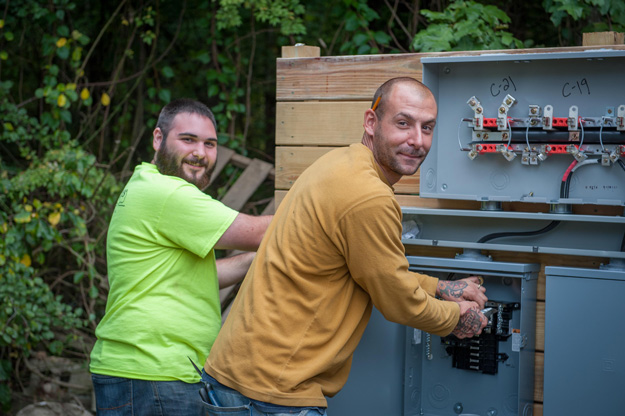
Maintenance. Each park has a budget to cover the cost of maintaining common areas such as community centers and mailboxes, as well as entrance and road signs, landscaping, playgrounds and minor road repairs. If the park owns a vehicle to plow snow and do landscaping, there are additional costs for fuel, inspection, registration and repairs.
Utilities include electricity, heat, and lighting for common areas and meeting spaces, and equipment such as sewer pumps and street lighting. If your park uses municipal water and wastewater systems, those costs may be included in a rent fee.
Mortgage payments for the park’s purchase may be a portion of where your rent goes each month, along with taxes, and liability, theft, and damage insurance.
Capital improvements and repairs to major infrastructure such as water lines, septic systems, resurfacing roads, and electrical meter boards may also be built into the park’s budget. A park can also loan money to itself for purchases such as a vehicle and pay itself back by transferring money from the annual budget into savings over several years.
Administrative expenses might involve sending notices of annual meetings and events to residents; a computer and printer to maintain a park website and store resident and business information; and office supplies, postage and other items needed to conduct business.
Professional services are also common for most communities. These might include a financial and/or property manager for bookkeeping or contractors for tree trimming, trash removal, or other services. A lawyer may be required to handle legal issues such as bylaw changes, evictions, or other disputes. A CPA may be needed to do financial audits.
If you live in a ROC, one thing you will NOT see in your community’s budget is profit! While private park owners take a significant share of rent for themselves, any surplus in a resident-owned community goes back to the cooperative to carry over to the next budget, or as savings for emergencies.
As you can see, park rent costs add up, just like your own monthly and yearly expenses. If you live in a ROC, which operates under the cooperative business model of shared ownership, you can see the community’s budget, including the profit and loss statement, balance sheet and other documents, by contacting your board of directors and attending your annual meeting. You can vote on how your rent dollars are spent.
Even better, you can join the board or finance committee or become an active participant in how your community is run. Why not? You own it!
ROC-NH' Organizational Trainer Alan Blake contributed to this article.